
Logistics, Mobility and Supply-Chain Innovation Bootcamp
About Course
Every product, shipment and journey depends on logistics, yet customers and operators still face delay, poor visibility, underused capacity, high costs and unreliable handoffs. Many logistics ideas fail because founders design software before understanding frontline operations, routes, regulation and unit economics. This course helps learners turn a verified operational problem into a visible, testable and commercially disciplined logistics, mobility or supply-chain enterprise.
You will investigate shippers, carriers, drivers, warehouses and infrastructure partners; size the market; design the solution; select useful technology; and build a viable model and brand. You will create and test a minimum viable operation, measure cost, time and reliability, map transport and trade risks, design dispatch and capacity systems, and prepare a controlled commercial pilot. Every section produces a portfolio asset, from the venture thesis and workflow evidence to the operating prototype, route economics and customer pipeline.
By the end, you will become a logistics, mobility or supply-chain entrepreneur with a visible enterprise—not merely a business idea. Your final portfolio will include a public landing page, tested operational MVP, customer evidence, business and brand, route or service economics, regulatory and risk pathway, operating plan, pilot proposal, global support pipeline, pitch deck and 90-day roadmap. Successful learners receive a Scalelab Academy certificate, lifetime course access, future updates and course-specific AI tools for research, route planning, capacity modelling, financial analysis and pitch preparation.
Course Content
Section 1: Explore Logistics and Choose Your Opportunity
-
Map the end-to-end supply chain
-
Explore logistics and mobility opportunities
-
Identify service and infrastructure gaps
-
Compare asset-light and asset-heavy ventures
-
Match founder strengths to sector opportunities
-
Write the initial logistics venture thesis
Section 2: Discover an Operational Problem Worth Solving
Section 3: Understand Customers and Supply-Chain Stakeholders
Section 4: Research the Market and Size the Opportunity
Section 5: Design the Solution and Value Proposition
Section 6: Select the Technology and Innovation Model
Section 7: Build the Business and Revenue Model
Section 8: Build the Logistics Brand and Market Position
Section 9: Build the Minimum Viable Operation
Section 10: Test the MVP and Prove Operational Value
Section 11: Navigate Regulation, Risk and Responsible Enterprise
Section 12: Design Operations and Strategic Partnerships
Section 13: Win Customers and Launch the Go-to-Market System
Section 14: Finance, Fund and Launch the Logistics Enterprise
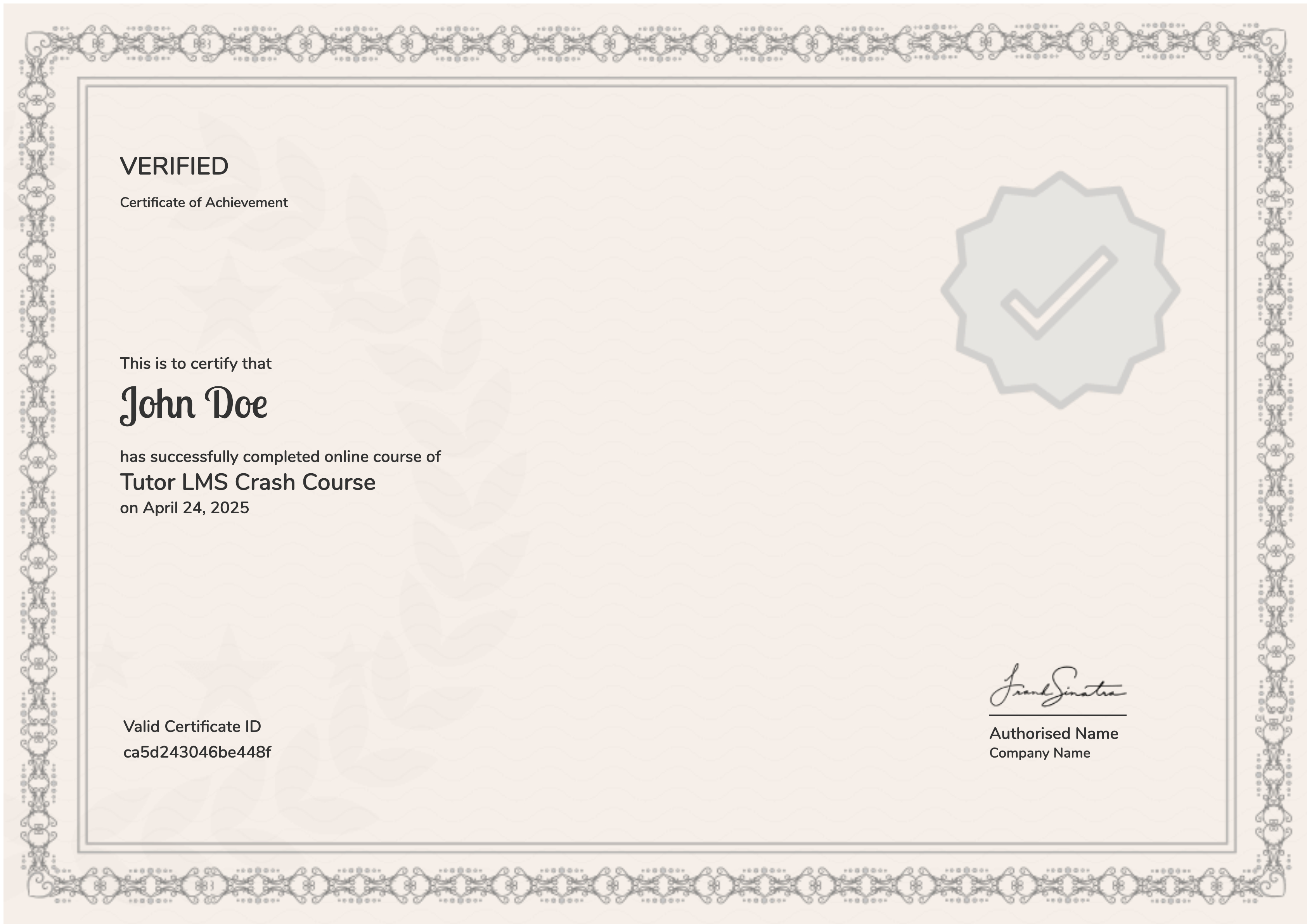
Earn a certificate
Add this certificate to your resume to demonstrate your skills & increase your chances of getting noticed.
Student Ratings & Reviews